
What we make,
and what it is for.
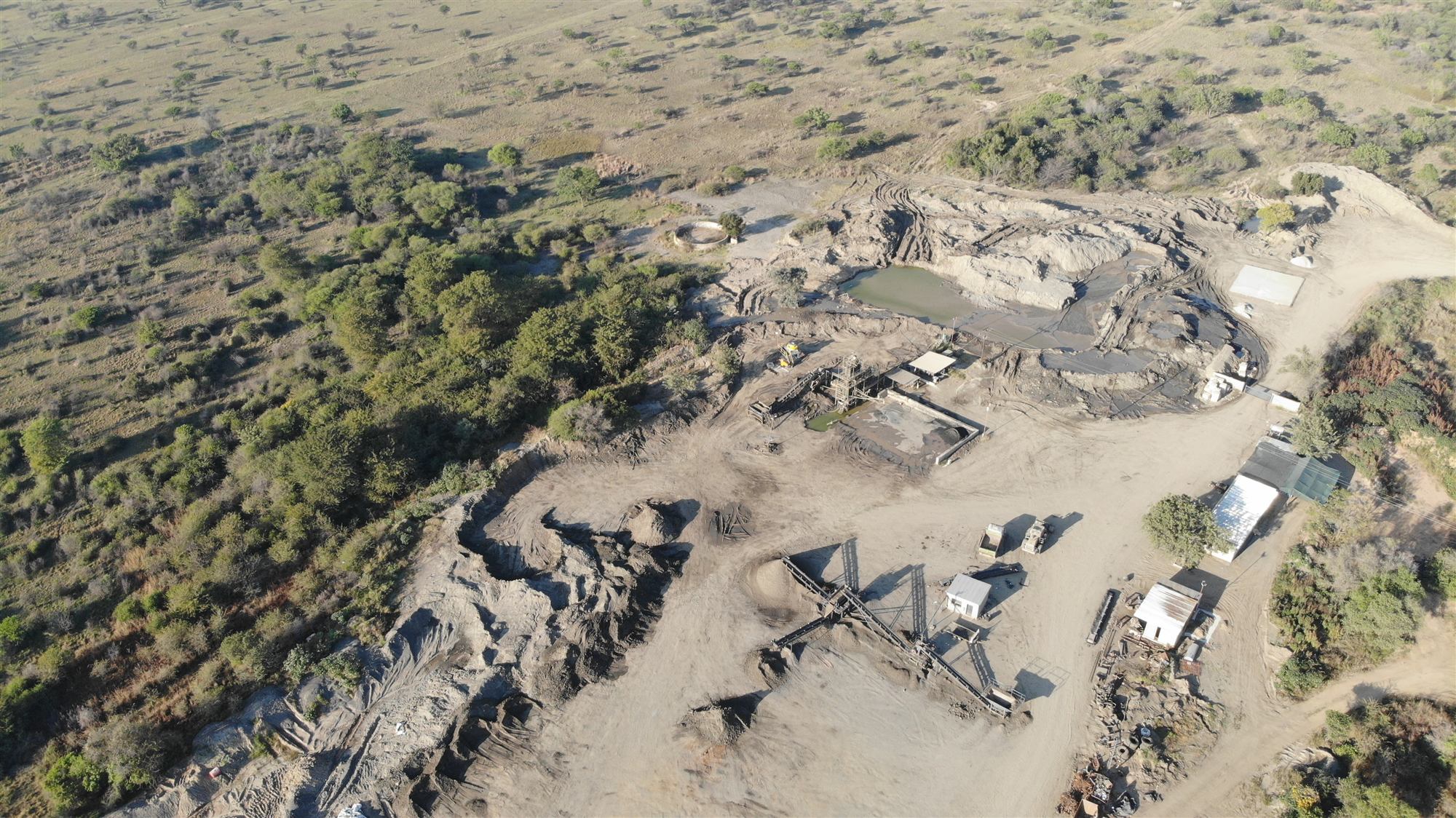
The plant produces chromite concentrate in three grade bands plus a saleable tailings stream. The 40–42% band is the volume product and the one most buyers contract against. Grade is ultimately set by the mineral and by the Cr:Fe ratio of the feed, not by how hard the plant is pushed.
- Cr₂O₃
- 40–42%, guaranteed at the band floor
- SiO₂
- approximately 4%
- Moisture
- below 3%
- Cr:Fe ratio
- 1.3–1.5, reported per lot
- Sizing
- −1.2 mm concentrate fines
- Reef affinity
- UG2 / MG blend, classified per delivery
- Assay basis
- XRF, independent laboratory, per lot
We price feed on a Cr:Fe-adjusted basis, not on Cr₂O₃ alone. Ratio is what sets the achievable product grade, so it is what we pay for.
On grade guarantees. Clean liberated Bushveld chromite carries roughly 44–48% Cr₂O₃ in the grain, and the Cr:Fe ratio of the feed caps what any gravity plant can produce — no spiral or magnet lifts iron out of the lattice. We would rather tell a buyer up front which grade a given feed can and cannot hold than accept an order we would have to blend our way out of.